

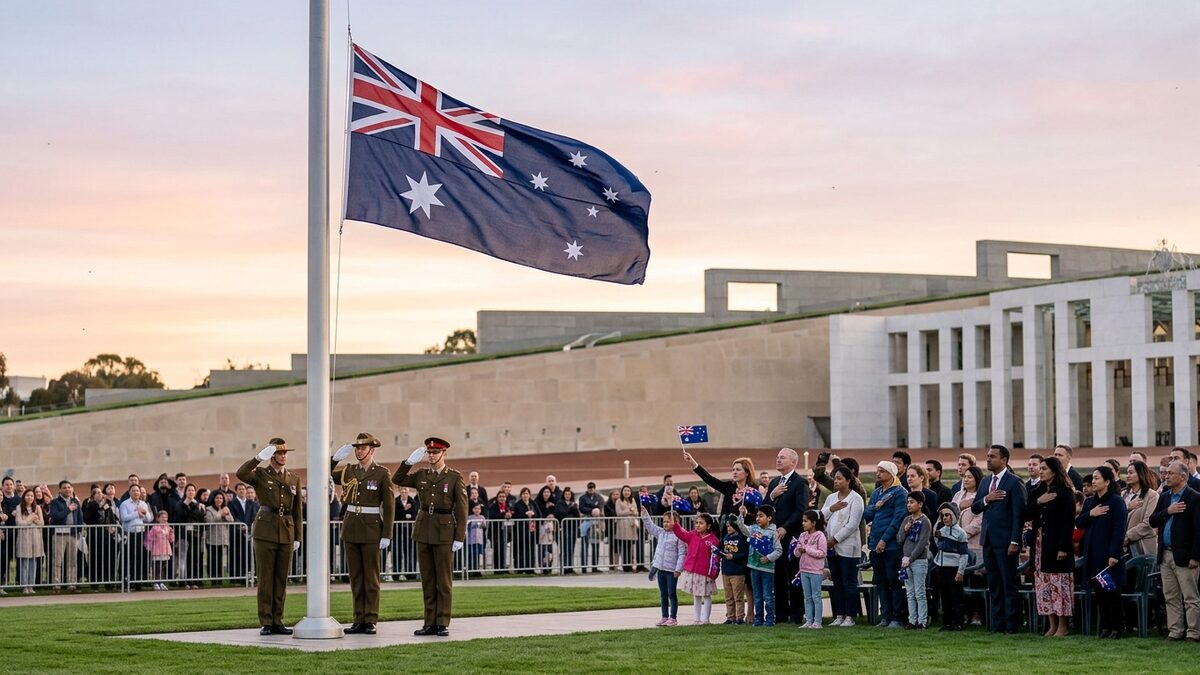
State and local governments across the country have initiated a series of flag-raising ceremonies to commemorate National Flag Week, a tradition rooted in President Dwight D. Eisenhower’s 1958 proclamation. These events not only honor the American flag’s enduring symbolism of unity and liberty but also serve to strengthen civic pride and community bonds. As the nation reflects on its foundational values, the significance of this patriotic observance emerges with renewed relevance.
Key Takeaways
- National Flag Week was established in 1958 to honor the American flag as a symbol of unity and freedom.
- State and local governments organize flag-raising ceremonies and events during National Flag Week each year.
- The observance serves as a reminder of the nation’s founding principles and promotes civic pride.
- National Flag Week includes Flag Day on June 14, commemorating the flag’s adoption in 1777.
National Flag Week, established by President Dwight D. Eisenhower in 1958 to honor the enduring symbol of American unity and freedom, has become a cornerstone of patriotic observance across the United States. This year, state and local governments are once again organizing flag-raising ceremonies and related events to commemorate the rich history and values embodied by the American flag. These gatherings serve not only as a reminder of the nation’s founding principles but also as a reaffirmation of civic pride and community solidarity in an era of evolving national challenges.
Understanding National Flag Week and Its Significance
National Flag Week is observed annually during the week containing June 14, a date designated by Congress as Flag Day commemorating the adoption of the United States flag by the Continental Congress on June 14, 1777. This week serves as a national period of reflection on the American flag’s symbolism and the values it represents, including liberty, unity, and democracy. The White House’s proclamation for 2026 specifically identifies June 14 as Flag Day and the week commencing on that date as National Flag Week, emphasizing the importance of these observances in the national calendar.
National Flag Week, established by President Dwight D. Eisenhower in 1958 to honor the enduring symbol of American unity and freedom, has become a cornerstone of patriotic observance across the United States.
Distinct from the broader Flag Day tradition, National Flag Week calls for a focused display of the flag across the country. During this time, citizens are encouraged to display the American flag at their homes, businesses, and public spaces, reinforcing a collective expression of patriotism and respect for the nation’s heritage. These observances provide a unique opportunity for communities to engage in ceremonies and educational events that highlight the flag’s historical significance and the enduring principles it embodies.
Federal Authority and Official Guidelines for Flag Display
The federal government’s role in National Flag Week is grounded in legislation and presidential proclamations that provide formal recognition and guidance for the observance. Congress first mandated an annual Flag Day proclamation in 1949 and subsequently requested the establishment of National Flag Week in 1966. These resolutions underscore the government’s commitment to promoting patriotic observance nationwide. The presidential proclamation for 2026 directs all federal agencies to display the flag on their buildings throughout National Flag Week and encourages citizens to participate in the display of the flag as a demonstration of national pride.
Federal guidance emphasizes the importance of proper flag etiquette and encourages Americans to take part in flag-raising events, parades, and educational programs during this week. The coordinated efforts at the federal level serve to unify state and local governments in their observance, creating a synchronized national expression of respect for the flag and the ideals it represents. This official framework ensures that National Flag Week remains a meaningful and widely recognized occasion.
State and Local Governments Hold Flag-Raising Events for National Flag Week
Across the country, state and local governments actively participate in National Flag Week by organizing flag-raising ceremonies and related activities that engage communities and foster civic pride. In New York State, for example, the Office of General Services manages the display of both the National and State flags on exterior government facilities, adhering to strict protocols that ensure flags are flown daily throughout the year when weather permits. This practice exemplifies a broader commitment among state agencies to honor the flag consistently and respectfully.
Weather conditions such as rain, sleet, or high winds are taken into consideration, with flags being lowered or withheld during inclement weather to preserve their condition and dignity. Local governments similarly schedule public events that include flag-raising ceremonies, educational programs about the flag’s history, and community gatherings that reinforce shared values. These state and local initiatives complement federal efforts and enhance public awareness of National Flag Week, ensuring that the flag’s symbolism remains a living part of American civic life.